Skip to content

Our History

Rebuilding Lives. Strengthening Communities.

coalition-offices-1979
1979
Our Beginning

The Coalition for the Homeless (CFH) was established in 1979 by the Inter-Faith Conference of Metropolitan Washington through its Hunger Task Force. Initially, as a network of direct service providers, CFH advocated for the homeless community and addressed poverty.

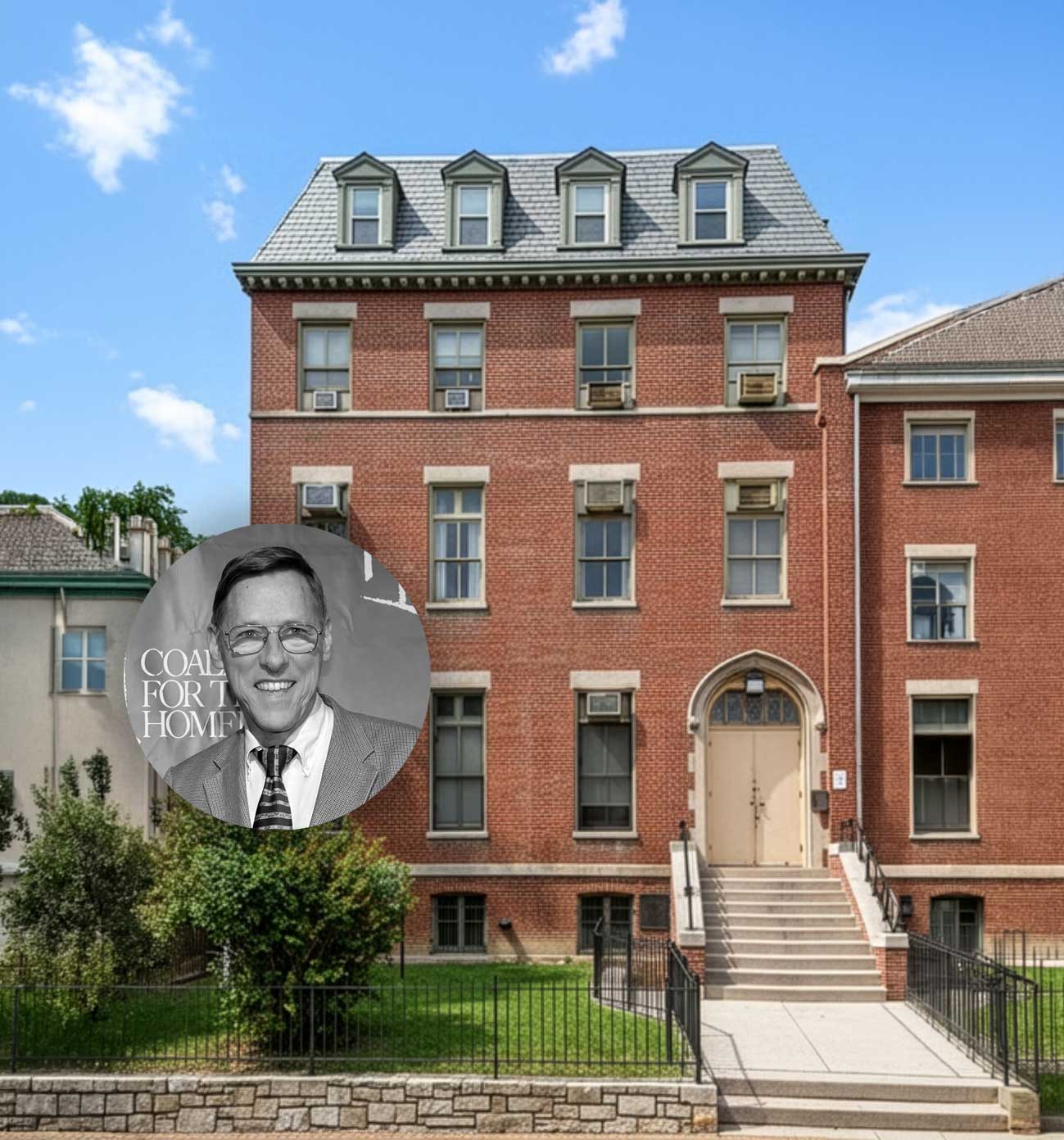
The Coalition opened its first offices at 1419 V Street, NW, Washington, DC.

The late Reverend Clark Lobenstine (pictured) was one of the founding members of the Interfaith Conference of Metropolitan Washington.
1979
WashingtonDC
1980s
Officially Incorporated

In 1981, the Coalition for the Homeless was officially incorporated on August 18, 1981. CFH was incorporated as a 501 (c)(3) nonprofit in Washington, DC. Today, the agency focuses on providing housing and direct services to those in need. Guided by our mission, vision, and values, CFH's staff and Board of Directors uphold principles that inform our programs, services, and daily operations as we work toward ending homelessness in the District.

  • Became a direct service provider to the homeless and opened a 600-bed shelter in S.E. D.C.
  • Expanded its housing efforts by developing smaller transitional housing programs: Mickey Leland, Park Road, Webster House, and Davison House.
1980s
sherman-anacostia
1990s
Evolving Our Work

Our response to the needs of individuals and families has evolved and expanded.

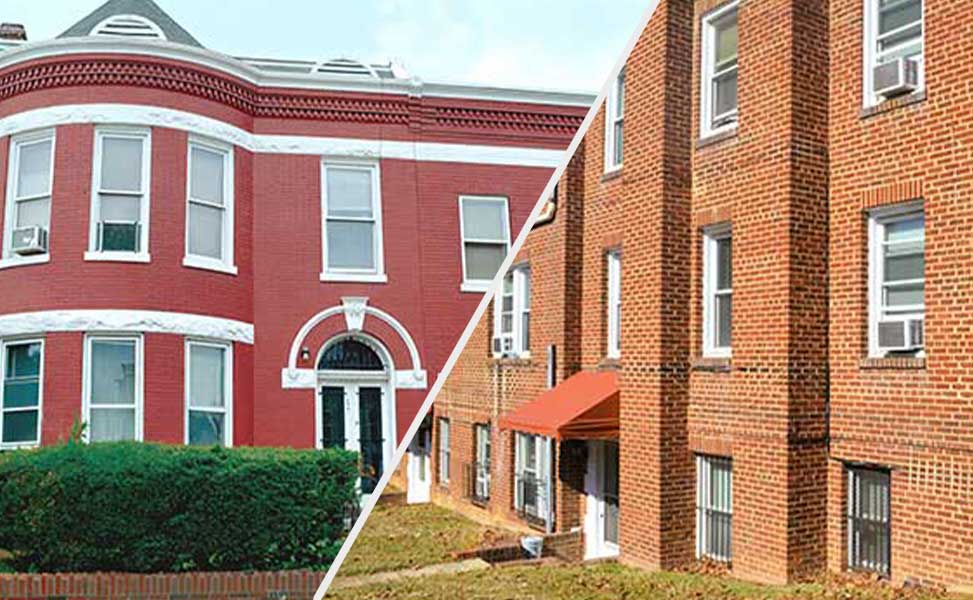
  • Opened its first Single Room Occupancy (SRO) residence at 2822 Sherman Avenue in Washington, DC, to serve men.
  • Anacostia Road Apartments opened, providing permanent housing for low-income and formerly homeless individuals and families.
  • In 1999, the Board of Directors revised the mission of the Coalition to include individuals and families who are vulnerable and at-risk of becoming homeless.
1990s
Emery Low Barrier Emergency Shelter
2000s
Advancing the Mission

We developed housing programs and direct services to help people transition from crisis to stability and self-sufficiency.

  • In 2006 Emery House was transformed from a 150-bed men's shelter into the Coalition's first large-scale transitional housing program for employed men experiencing homelessness.
  • Following extensive renovations, the Emery Work Bed Program temporarily closed on July 31, 2024, and later reopened as a low-barrier shelter, expanding capacity and increasing access to critical services.
2000s
history-stepping-out
2010s
Strengthening Community Support

Through partnerships, advocacy, and compassionate care, we strengthened our programs and deepened our impact, helping thousands achieve housing stability and a brighter future.

  • The Coalition hosted its first Stepping Out for the Homeless fundraising event on October 25, 2013, creating a signature annual event that brings together supporters, community leaders, and advocates to advance the mission of ending homelessness.
2010s
history-new-office
Today
Leadership and Organizational Growth

The Coalition provides transitional, emergency, and permanent housing as well as supportive services for people in need. We remain committed to ending homelessness and building a DC where everyone has a place to call home.

  • After 35 years of dedicated service, Executive Director Michael L. Ferrell retired in February 2025. The Coalition's Board of Directors appointed Lucho Vásquez as Executive Director, ushering in a new chapter of leadership.
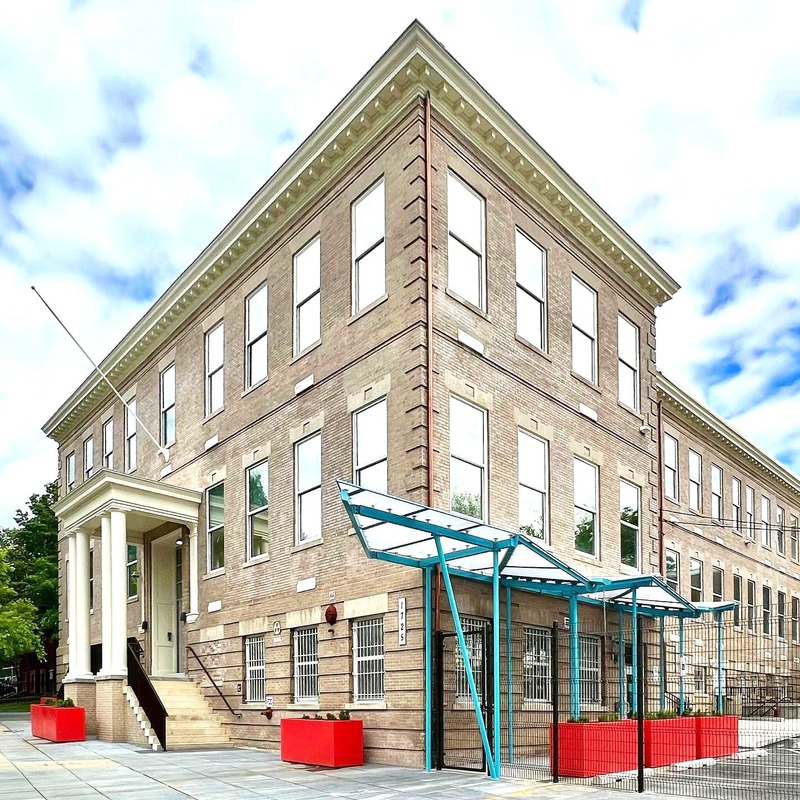
  • In 2026, under the leadership of Executive Director Lucho Vásquez, the Coalition relocated to its modern headquarters at 1621 Connecticut Avenue, NW, Washington, DC.
Today
×

DC Shelter Hotline test

The Homeless Services Hotline is open every day from 8:00 a.m. - 12:00 a.m.

If you are in need of free, accessible transportation to shelter, or you see someone outside in need of shelter or a welfare check, call the Homeless Services Hotline at (202) 399-7093 or dial 311. If there is an immediate risk to safety, call 911. When calling, please include the time, the address or location of the sighting, and a description of the person’s appearance. 

During hypothermia season (November 1 - March 31), the Homeless Services Hotline is open 24 hours a day and transportation to shelter is available 24 hours a day, 7 days a week.